Geography Contour Business Card: A Creative Tool for Modern Branding
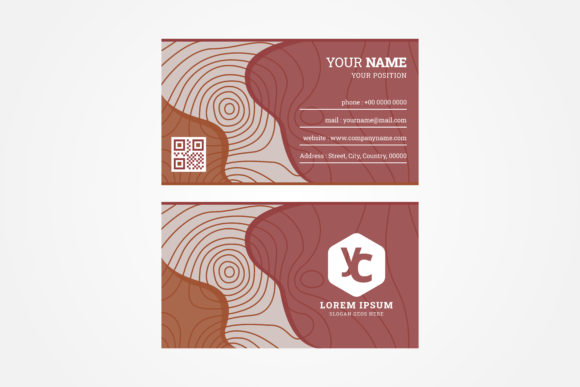
The Geography Contour Business Card is a unique design element that blends topographic maps with modern branding principles. This vector illustration offers a clean, abstract layout that can be customized to fit various business needs. With its focus on contour lines, wavy elements, and a monochrome background, it provides a visually engaging way to present contact information while reinforcing a brand's identity.
This type of business card is particularly useful for professionals in industries such as technology, meteorology, environmental science, and creative fields. Its design allows for easy integration into broader marketing strategies, making it a valuable asset in both personal and corporate branding efforts.
Understanding the Role of Geography Contour Business Card in Branding
The Geography Contour Business Card serves as more than just a contact tool; it acts as a visual representation of a company’s values and aesthetic. By incorporating elements like topographic lines and weather-related imagery, it can communicate a sense of stability, innovation, or natural connection depending on the intended message.
For businesses looking to stand out in a competitive market, this design offers a fresh approach to traditional business cards. It allows for a balance between professionalism and creativity, making it suitable for both formal and informal settings. Whether used in a tech startup or a landscape architecture firm, the Geography Contour Business Card can help reinforce a brand’s image.
Its use of red and brown tones adds a subtle yet impactful color scheme that can be adjusted to match a company’s existing branding. The abstract nature of the design also allows for flexibility, enabling users to adapt it to different contexts without losing its core visual appeal.
Integrating Geography Contour Business Card into Workflows
Incorporating the Geography Contour Business Card into daily workflows requires careful planning and consideration. Before printing, designers should ensure that the vector files are compatible with their preferred software, such as Adobe Illustrator or Inkscape. This ensures that the final product maintains high quality and clarity.
During the design process, it’s important to consider how the card will be used. For example, if the card is meant for a sales team, it should include clear contact information and a professional layout. If it’s for a creative agency, the design may emphasize artistic elements like wavy lines or distorted shapes to reflect the company’s style.
After the card is printed, it becomes part of a broader brand strategy. It can be used in networking events, client meetings, or digital portfolios. When paired with other branding materials, such as logos or website designs, it helps create a cohesive and recognizable brand presence.
Practical Tips for Using Geography Contour Business Card
To get the most out of the Geography Contour Business Card, start by defining your goals. Are you looking to enhance your brand image, improve visibility, or create a memorable impression? Once you have a clear objective, you can tailor the design to meet those needs.
- Customize the layout: Adjust the placement of text, images, and graphics to suit your specific requirements.
- Choose the right colors: Use the provided red and brown tones as a base, but feel free to modify them to match your brand palette.
- Ensure compatibility: Verify that the vector files work with your design software and printing services.
- Test the design: Print a sample to check for clarity, readability, and overall appearance before mass production.
Another key factor is consistency. The Geography Contour Business Card should align with other branding materials to maintain a unified look. This includes everything from website headers to social media profiles. Consistency helps build recognition and trust among clients and customers.
Combining Geography Contour Business Card with Other Tools
The Geography Contour Business Card works best when integrated with other design tools and resources. For instance, it can be paired with a company’s logo, website, or social media templates to create a seamless brand experience. This not only enhances visual appeal but also strengthens brand recall.
Designers can also use the card as part of a larger package, such as a business kit or promotional set. By including it alongside brochures, flyers, or digital assets, they can create a comprehensive marketing solution that supports various communication channels.
Additionally, the card can be used in conjunction with digital tools like QR codes or augmented reality features. These additions can provide an interactive experience for recipients, encouraging them to engage further with the brand.
Long-Term Use and Maintenance
When considering long-term use, it’s important to plan for updates and revisions. As a company evolves, so too should its branding materials. The Geography Contour Business Card should be reviewed periodically to ensure it remains relevant and effective.
Maintaining a library of design assets, including the Geography Contour Business Card, can streamline future projects. This allows for quick adjustments and reduces the need for complete redesigns. It also ensures that all branding materials remain consistent over time.
Finally, proper storage and organization of digital files are essential. Keeping vector files in a centralized location makes it easier to access and modify them as needed. This practice saves time and improves efficiency, especially for teams working on multiple projects simultaneously.