Business Cards Designs: A Modern Approach to Professional Branding
In today’s fast-paced business environment, first impressions matter. One of the most effective tools for making a lasting impression is a well-designed business card. Business Cards Designs offers a range of modern templates that blend functionality with aesthetic appeal, making them ideal for professionals looking to stand out in a competitive market.
What Makes Business Cards Designs Unique?
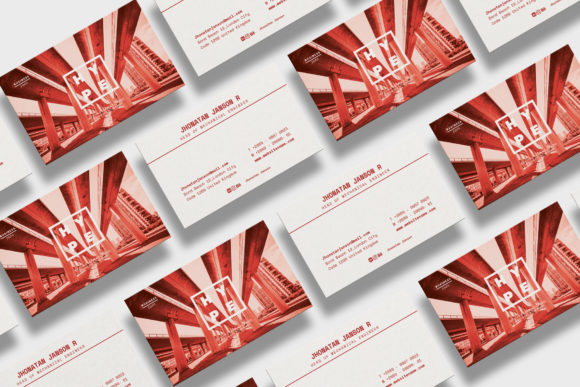
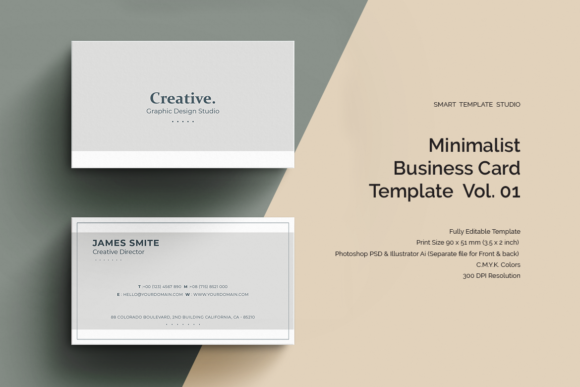
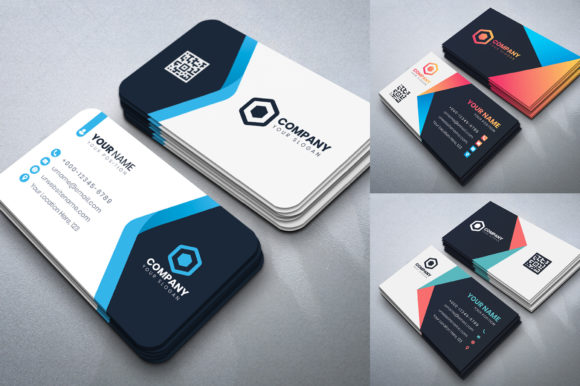
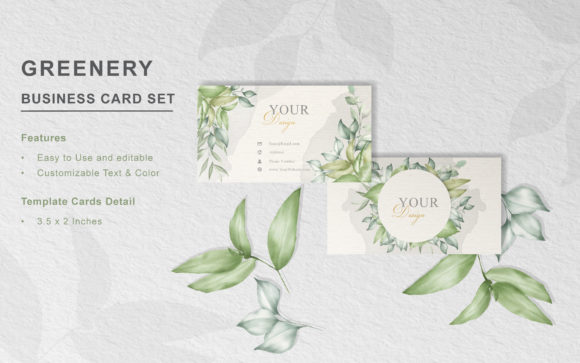
Business Cards Designs distinguishes itself through its focus on simplicity, elegance, and practicality. Unlike many other design platforms, it provides ready-to-use templates that are both visually appealing and easy to customize. These designs are optimized for print, ensuring that the final product looks as good on paper as it does on screen.
The templates are highly organized, allowing users to quickly find the right layout without getting lost in complex menus or overwhelming options. This streamlined approach is particularly beneficial for individuals who may not have extensive design experience but still want to create a professional-looking business card.
Comparing Business Cards Designs with Other Options
When evaluating business card design tools, it's important to consider how they compare in terms of usability, customization, and output quality. Many online design platforms offer a wide array of templates, but they often come with limitations in terms of print readiness and file formats.
Business Cards Designs addresses these concerns by providing templates in both PNG and EPS formats. This ensures that users can easily print their cards at home or through a professional printer without worrying about compatibility issues. In contrast, some platforms may only offer web-friendly formats, which can lead to subpar print results.
Another key differentiator is the level of detail in the design elements. While some services prioritize speed over aesthetics, Business Cards Designs balances both, offering clean layouts that reflect modern design trends. This makes it a strong choice for professionals in industries such as tech, design, and finance, where visual appeal is an extension of brand identity.
Strengths and Tradeoffs of Business Cards Designs
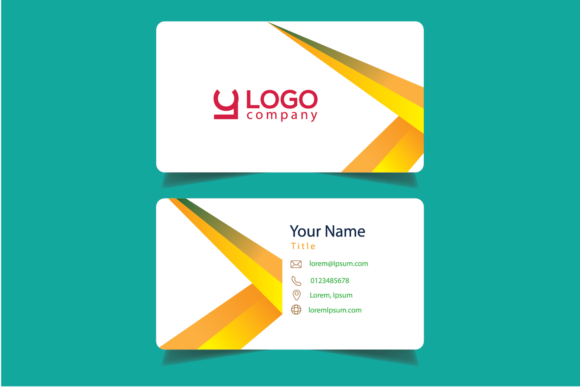
One of the main strengths of Business Cards Designs is its emphasis on user-friendly features. The templates are designed with clear sections for contact information, logos, and other essential details, reducing the likelihood of formatting errors. This is especially useful for those who are new to design work and may not be familiar with layout best practices.
However, there are tradeoffs to consider. While the templates are highly customizable, they may not offer the same level of flexibility as more advanced design software like Adobe Illustrator or Canva. For users who require highly personalized designs or complex graphics, Business Cards Designs may not be the best fit.
Additionally, while the platform provides a variety of styles, it may not cater to niche industries or highly specific design preferences. For example, a designer working in the fashion industry might find that the available templates do not align with their unique aesthetic vision. In such cases, exploring alternative design tools could be more beneficial.
Best Fit Situations for Business Cards Designs
Business Cards Designs is particularly well-suited for professionals who need a quick, reliable solution for creating business cards. It is ideal for small business owners, freelancers, and entrepreneurs who want to maintain a consistent brand image without investing significant time or resources into the design process.
It also works well for individuals who prefer a minimalist approach to branding. The clean layouts and neutral color palettes make it easy to integrate with existing brand materials, ensuring a cohesive look across all marketing channels.
For those who are looking to print business cards locally, the availability of EPS files is a major advantage. This format allows for high-quality printing, which is essential for maintaining a professional appearance in face-to-face interactions.
When to Consider Alternatives
While Business Cards Designs is a solid option, there are scenarios where alternative solutions may be more appropriate. For instance, if a user requires a highly customized design or wants to incorporate unique graphics, they may need to use more advanced design tools or hire a professional designer.
Additionally, for businesses that frequently update their branding or have specific design requirements, a more flexible platform might be necessary. Some services allow for greater control over typography, color schemes, and layout structures, which can be crucial for maintaining a distinct brand identity.
Users who are part of larger organizations or corporate teams may also benefit from enterprise-level design solutions that offer collaboration features, version control, and centralized management of brand assets.
Realistic Examples and Practical Comparisons
Consider a freelance graphic designer who needs to create a business card for a client. Using Business Cards Designs, they can select a template that matches the client’s brand colors and upload a logo in minutes. The result is a polished, professional card that reflects the client’s brand without requiring extensive design skills.
In contrast, a startup founder looking to launch a new product line may find that the available templates do not align with the brand’s creative vision. In this case, using a more customizable platform or working with a designer could provide a better outcome.
Another example is a local business owner who prints cards in-house. The ability to download EPS files ensures that the printed cards maintain high resolution and clarity, which is essential for making a strong impression during in-person meetings.
Final Thoughts on Choosing the Right Business Card Design
Choosing the right business card design depends on a variety of factors, including personal style, professional needs, and technical requirements. Business Cards Designs offers a convenient and effective solution for many users, particularly those who value simplicity, ease of use, and print-ready formats.
However, it is important to evaluate individual needs and consider alternative options when necessary. By understanding the strengths and limitations of different design tools, professionals can make informed decisions that support their branding goals and enhance their overall business presence.