Modern Business Card Design: A Professional Tool for Today’s Market
In a world where first impressions matter, business cards remain a powerful tool for professionals to communicate their brand identity. A well-designed business card can make a lasting impact, reinforcing credibility and professionalism. Business Cards Design is more than just a piece of paper—it's a strategic element in personal and corporate branding. Whether you're an entrepreneur, marketer, or creative professional, the right design can elevate your presence and help you stand out in a competitive environment.
What Makes Business Cards Design Worth Discussing?
Business Cards Design is a blend of art and functionality. It serves as a physical representation of a person or company, offering a quick and tangible way to share contact information. Unlike digital interactions, a business card provides a tactile experience that can be memorable and effective. The design plays a crucial role in how this message is received. A poorly designed card may be discarded, while a thoughtfully crafted one can be kept and referenced repeatedly.
The importance of Business Cards Design lies in its ability to reflect professionalism and attention to detail. It’s not just about aesthetics; it’s about clarity, usability, and consistency with broader brand elements. When done right, a business card becomes an extension of your brand identity, ensuring that every interaction leaves a positive impression.
Key Characteristics of Effective Business Card Designs
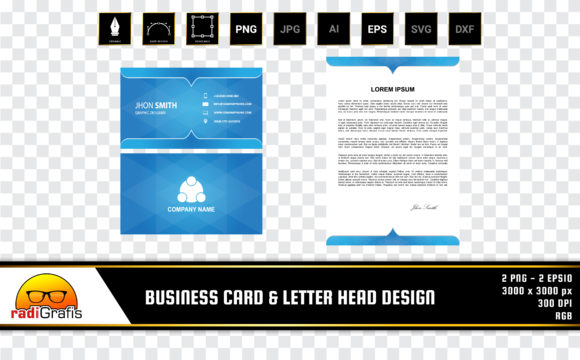
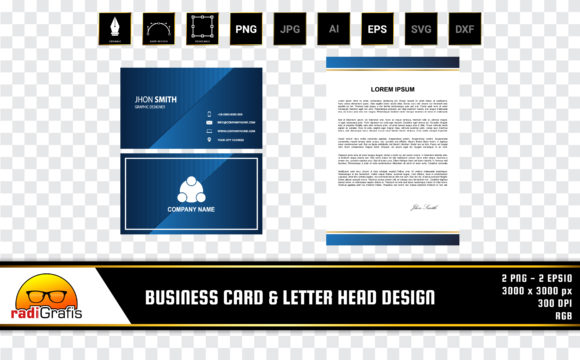
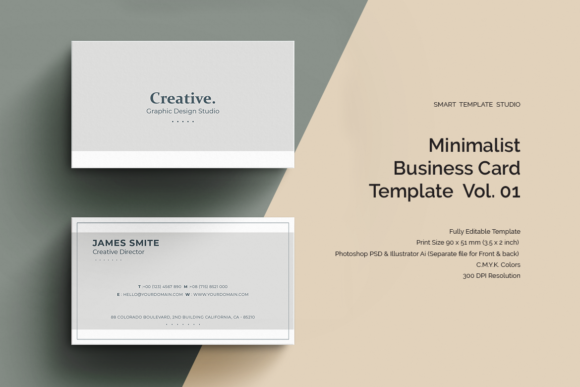
Modern Business Card Design templates often emphasize simplicity, elegance, and modernity. These characteristics are not just trends—they are practical choices that enhance readability, visual appeal, and overall effectiveness. A clean layout allows for easy scanning of essential information, such as name, title, contact details, and website. This makes the card more useful in real-world scenarios, where time is often limited.
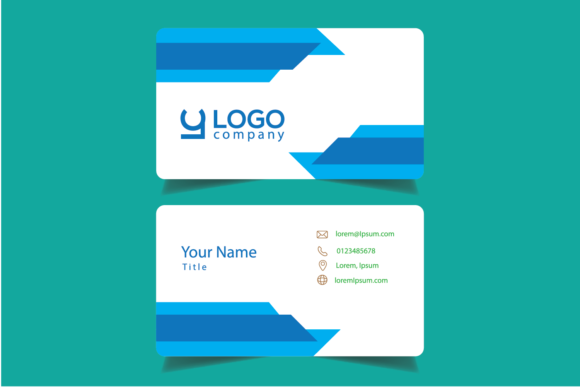
Highly organized designs ensure that information is presented logically. For example, placing the name at the top, followed by job title, contact information, and a logo or QR code, creates a clear hierarchy. This structure helps the recipient quickly find what they need without confusion.
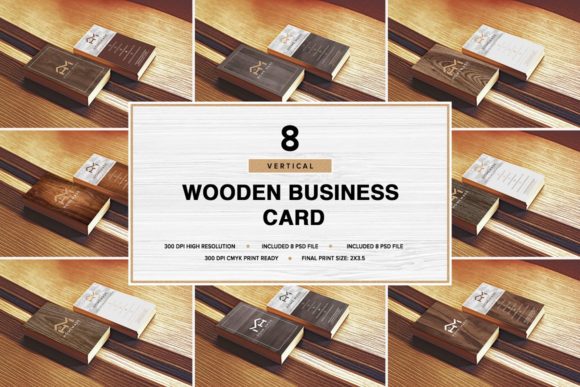
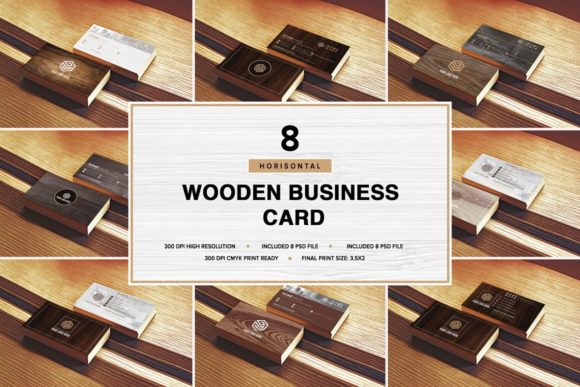
Elegant and modern designs tend to use minimalist color palettes, subtle textures, and thoughtful typography. These elements contribute to a professional appearance without overwhelming the viewer. The goal is to create a balance between visual interest and functional clarity.
Practical Value of Business Cards Design
Business Cards Design offers significant practical value for professionals who rely on networking and direct communication. In industries like marketing, consulting, and creative services, business cards are often the first point of contact. A well-designed card can spark curiosity, encourage follow-up, and reinforce brand recognition.
One of the strengths of Business Cards Design is its versatility. It can be customized to fit different industries, from tech startups to legal firms. The design can also be adapted to match other branding materials, ensuring a cohesive look across all touchpoints. This consistency is vital for building brand trust and recognition.
Another benefit is the ease of use. Many modern Business Cards Design templates are print-ready, meaning they are formatted correctly for high-quality printing. This saves time and reduces the risk of errors during the production process. Formats like PNG and EPS provide flexibility for both digital and physical use, making them ideal for professionals who need to distribute their cards in multiple ways.
Real-World Performance and Usability
When considering the real-world performance of Business Cards Design, usability is key. A card that is difficult to read or lacks clear information fails to serve its purpose. On the other hand, a well-structured design ensures that the recipient can quickly access the necessary details and take action, whether that means visiting a website, calling a number, or following up via email.
Flexibility is another important factor. Some Business Cards Design templates allow for customization of text, colors, and graphics, enabling users to tailor the card to their specific needs. This adaptability is particularly valuable for freelancers, small business owners, and creatives who may need to update their contact information frequently.
Consistency in design also plays a role in long-term value. A business card that aligns with other branding assets—such as websites, social media profiles, and marketing materials—helps reinforce brand identity. This consistency builds recognition and trust over time, making the card more effective as a promotional tool.
Who Benefits Most from Business Cards Design?
Business Cards Design is especially beneficial for professionals who engage in face-to-face interactions. Entrepreneurs, sales representatives, and consultants often rely on business cards to introduce themselves and generate leads. For these individuals, a strong visual identity can make a significant difference in how they are perceived and remembered.
Freelancers and creatives also find value in Business Cards Design. Whether you're a graphic designer, photographer, or writer, a well-crafted card can showcase your skills and attract potential clients. It serves as a portable portfolio, offering a quick glimpse into your work and capabilities.
Small business owners and startups can use Business Cards Design to establish a professional image. In the early stages of a business, a quality card can help build credibility and make a positive impression on customers, partners, and investors. It’s a cost-effective way to promote the brand and facilitate networking opportunities.
Recommendations and Considerations
When selecting a Business Cards Design, it’s important to consider your target audience and industry. A tech startup may benefit from a sleek, modern design, while a law firm may prefer something more traditional and formal. Understanding your audience’s expectations can guide the design choices and ensure the card resonates effectively.
Another consideration is the quality of the printing. Even the best design can be undermined by poor print quality. Choosing a reliable printer and using high-resolution templates can help ensure that the final product looks sharp and professional.
Finally, don’t overlook the power of a unique design. While simplicity is often effective, adding a distinctive element—such as a custom shape, texture, or interactive feature—can make your card stand out. However, it’s important to strike a balance between creativity and clarity, ensuring that the design doesn’t compromise the card’s functionality.