Stylish Business Cards and General Card Design: A Comprehensive Guide
In today's fast-paced business world, first impressions matter. One of the most effective tools for making a lasting impression is a well-designed business card. Whether you're launching a new venture, networking at an event, or simply looking to stand out in a crowded market, a stylish business card can be a game-changer. This article explores the essentials of business card design, focusing on five different colors, silver details, easy modification, CMYK color mode, 300 DPI resolution, specific dimensions with bleed settings, print-ready files, layered PSDs, and the use of free fonts like Abraham Lincoln.
The Purpose and Significance of Business Cards
Business cards have been around for centuries, but their relevance has not diminished. In fact, they remain one of the most practical and professional ways to share contact information. Unlike digital alternatives, a physical business card offers a tactile experience that can make a stronger impression. It also serves as a reminder of your brand, making it a valuable tool for networking and marketing.
Modern business cards are no longer just about listing your name and number. They are a reflection of your brand identity, values, and creativity. A well-designed card can communicate professionalism, innovation, and attention to detail—all essential qualities in any business setting.
Understanding the Design Elements
When designing a business card, several key elements must be considered to ensure both aesthetic appeal and functionality. These include color, typography, layout, and technical specifications such as resolution and bleed settings.
Five Different Colors: Choosing the Right Palette
The choice of color plays a significant role in the overall impact of a business card. Different colors evoke different emotions and convey different messages. For example:
- Blue: Often associated with trust, reliability, and professionalism. Ideal for industries such as finance, law, and technology.
- Silver: Conveys sophistication, modernity, and elegance. Perfect for high-end brands or tech startups.
- Black and White: Timeless and versatile, these colors offer a clean, minimalist look that works well in any industry.
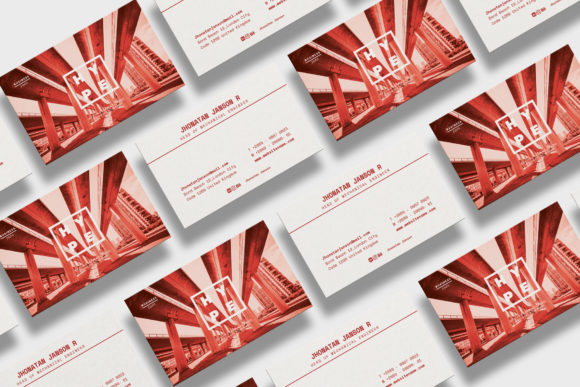
- Red: Symbolizes energy, passion, and urgency. Great for creative industries or businesses looking to stand out.
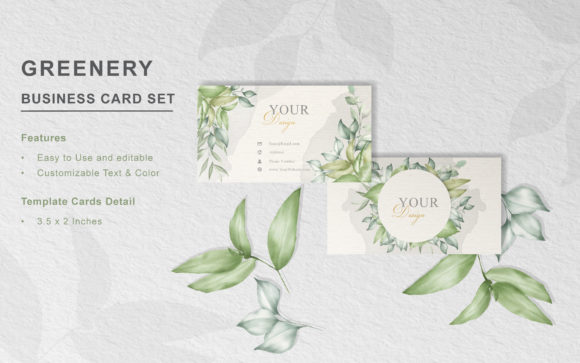
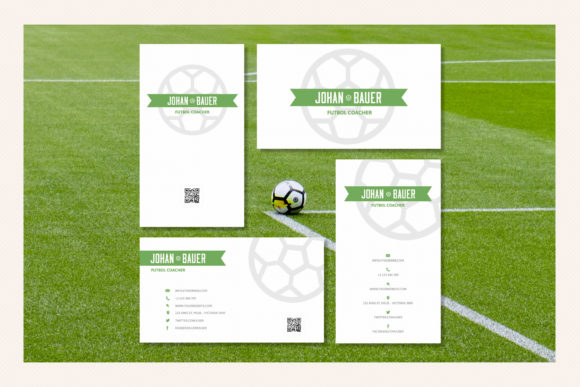
- Green: Represents growth, harmony, and sustainability. Popular among eco-friendly businesses or health-related services.
By selecting from five different colors, designers can tailor business cards to match the brand’s identity and target audience.
Silver Details: Adding a Touch of Elegance
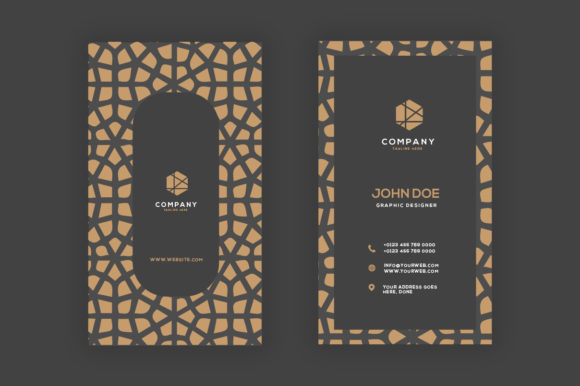
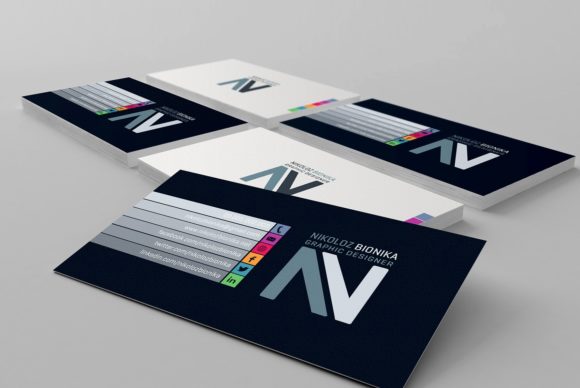
Silver details can elevate the visual appeal of a business card. Whether used for text, borders, or icons, silver adds a sense of luxury and refinement. It complements many color schemes and can be particularly effective when paired with darker backgrounds or bold fonts.
For instance, a black background with silver text creates a striking contrast that is both eye-catching and professional. Silver accents can also help draw attention to key information, such as a logo or contact details.
Easy to Modify: Flexibility in Design
A good business card design should be easy to modify. This means that the file should be structured in a way that allows for quick changes without compromising quality. Layered PSD files are ideal for this purpose, as they enable designers to edit individual elements—such as text, images, or graphics—without affecting the rest of the design.
Modifiability is especially important for businesses that may need to update their contact information, branding, or messaging frequently. By using editable files, you save time and resources, ensuring that your business cards remain up-to-date and relevant.
CMYK Color Mode: Ensuring Accurate Print Results
When preparing files for print, it's crucial to use the correct color mode. CMYK (Cyan, Magenta, Yellow, Key/Black) is the standard color model for printing, as it represents the range of colors that can be produced using ink. Using RGB (Red, Green, Blue) for print can result in unexpected color shifts, as the colors displayed on screens may not translate accurately to physical prints.
By working in CMYK, designers can ensure that the final printed business cards match the intended colors. This is especially important for brands that rely on specific color codes to maintain consistency across all materials.
300 DPI Resolution: Ensuring High-Quality Prints
DPI (dots per inch) refers to the resolution of an image. A higher DPI means more detail and sharper images. For business cards, a resolution of 300 DPI is the industry standard, as it ensures that the printed output is clear and professional.
Using a lower resolution, such as 72 DPI, can result in blurry or pixelated prints, which can negatively impact the perception of your brand. Always verify that your design files meet the required resolution before sending them to the printer.
Dimensions and Bleed Settings: Precision in Printing
Business cards typically come in standard sizes, such as 3.5 x 2 inches or 3.75 x 2.25 inches. However, it's important to account for bleed settings when preparing files for print. Bleed refers to the extra area around the edges of the design that is trimmed off during the printing process. This ensures that the final product has no white borders or cut-off elements.
For example, if your design is 3.5 x 2 inches, you should add a 0.125-inch bleed on each side, making the total size 3.75 x 2.25 inches. This small adjustment helps prevent any unwanted gaps or misalignments during the printing and cutting process.
Print-Ready Files: Simplifying the Production Process
A print-ready file is one that meets all the technical requirements for printing, including proper resolution, color mode, bleed settings, and file format. These files are ready to be sent directly to the printer without additional adjustments.
Print-ready files save time and reduce the risk of errors. They also ensure that the final product looks exactly as intended. Common print-ready file formats include PDF, EPS, and high-resolution PNG or JPEG files.
Layered PSD Files: Enhancing Design Flexibility
PSD (Photoshop Document) files are widely used in graphic design because they allow for non-destructive editing. A layered PSD file contains multiple layers, each representing a separate element of the design. This makes it easy to adjust individual components, such as text, images, or graphics, without affecting the rest of the design.
For business card design, a layered PSD file provides greater flexibility, allowing designers to experiment with different layouts, colors, and effects. It also makes it easier to collaborate with others or make last-minute changes before printing.
Fonts Used: The Importance of Typography
Typography plays a crucial role in the overall look and feel of a business card. The right font can enhance readability, convey personality, and reinforce brand identity. When choosing fonts, it's important to consider factors such as legibility, style, and appropriateness for the target audience.
Free Font Abraham Lincoln: A Stylish Choice
One popular free font that can be used in business card design is "Abraham Lincoln." This font offers a classic, elegant appearance that is perfect for professional or formal contexts. Its clean lines and balanced proportions make it highly readable, even at smaller sizes.
By including a free font like Abraham Lincoln, designers can create visually appealing business cards without the need for expensive licensing. It also ensures that the design remains accessible and customizable for users who may not have access to premium font libraries.
Conclusion
Stylish business cards are more than just a piece of paper—they are a powerful marketing tool that can leave a lasting impression. By understanding the key design elements, such as color selection, typography, resolution, and print specifications, you can create a business card that reflects your brand and communicates your message effectively.
Whether you're a designer, entrepreneur, or business professional, investing in a well-crafted business card can make a significant difference in how you are perceived. With the right combination of aesthetics, functionality, and technical precision, your business card can become a valuable asset in your professional toolkit.