Bottom Cut: A Fresh, Funny, and Cute Calligraphy Font for Creative Workflows
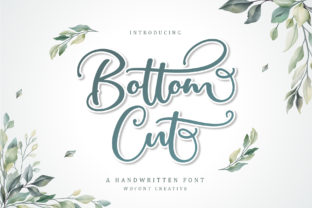
Bottom Cut is a unique calligraphy font that blends creativity with functionality. Designed with hearts that can be connected, it brings a playful yet professional aesthetic to any project. This font is ideal for those who want to add a personal touch to their work while maintaining clarity and readability. Whether you're working on a greeting card, a branding project, or a marketing campaign, Bottom Cut offers a versatile solution that fits seamlessly into your workflow.
Understanding how to integrate Bottom Cut into your creative process can enhance your productivity and elevate the quality of your output. From initial planning to final execution, this font can play a role in various stages of your projects. Let's explore how it can be used effectively and what considerations you should keep in mind when incorporating it into your work.
How Bottom Cut Fits Into Your Workflow
Bottom Cut is not just a font—it's a tool that can influence the entire creative process. Before starting a project, you might use it to brainstorm ideas or draft concepts. During the development phase, it can help maintain a consistent visual theme across different materials. After the project is complete, it can be used to finalize designs or create supplementary content like social media posts or promotional banners.
For example, if you're designing a set of business cards, you might start by selecting a font that aligns with your brand's identity. Bottom Cut could be an excellent choice if you want to convey a friendly and approachable image. Its heart connections add a whimsical element that can make your design stand out without being overwhelming.
Using Bottom Cut in Different Projects
One of the strengths of Bottom Cut is its adaptability. It can be used in a variety of contexts, making it a valuable addition to your design toolkit. For instance, if you're creating a series of greeting cards, you might use Bottom Cut for the main text to give each card a personalized feel. The font's unique style can also be used for headers or captions in posters, adding a touch of creativity to your visual communication.
In branding materials, Bottom Cut can help establish a cohesive look across different assets. If you're developing a logo or a website, using this font consistently can reinforce your brand's personality. However, it's important to consider the context in which it will be used. While it works well for casual or artistic projects, it may not be suitable for more formal or corporate environments where a traditional font would be more appropriate.
Practical Tips for Implementing Bottom Cut
To get the most out of Bottom Cut, it's essential to plan its use carefully. Start by identifying the specific tasks or projects where it would be beneficial. For example, if you're working on a marketing campaign, you might use Bottom Cut for social media graphics or email newsletters to add a fun and engaging element to your messaging.
When integrating Bottom Cut into your workflow, consider the following tips:
- Test the font in different sizes and formats to ensure it remains legible and visually appealing across various applications.
- Combine it with other fonts to create contrast and balance in your designs. For instance, pair it with a sans-serif font for headings or body text to maintain readability.
- Use it selectively to avoid overuse. While its playful style is appealing, using it too frequently can dilute its impact and make your designs appear cluttered.
- Check compatibility with the platforms and tools you're using. Make sure it works well with design software like Adobe Illustrator, Canva, or Photoshop.
How Bottom Cut Interacts With Other Tools and Resources
Bottom Cut can complement a range of design tools and resources, enhancing your overall workflow. For example, if you're using a design platform like Canva, you can easily apply Bottom Cut to your templates, allowing you to experiment with different layouts and styles. This integration can streamline your creative process, saving time and effort in the long run.
Additionally, Bottom Cut can be used alongside other design elements such as illustrations, icons, or color schemes. By coordinating these elements, you can create a more unified and polished look for your projects. For instance, if you're designing a poster for an event, you might use Bottom Cut for the title and pair it with a vibrant color palette and relevant imagery to capture attention and convey the event's theme effectively.
Factors to Consider When Using Bottom Cut
When incorporating Bottom Cut into your work, several factors should be taken into account to ensure its effectiveness. Preparation is key—before using the font, familiarize yourself with its characteristics and limitations. Understanding how it looks in different contexts will help you make informed decisions about its application.
Compatibility is another important consideration. Ensure that the font is available in the formats you need and that it works well with the software and devices you use. Usability is also crucial; if the font is difficult to read or manipulate, it may not be the best choice for your project.
Consistency is vital for maintaining a professional appearance. If you're using Bottom Cut in multiple projects, try to maintain a consistent style to reinforce your brand identity. Quality control is equally important—review your work to ensure that the font is used appropriately and that it enhances rather than detracts from your message.
Long-Term Use and Maintenance
As you continue to use Bottom Cut in your work, consider its long-term value. Regularly assess its performance and relevance to your projects. If you find that it no longer meets your needs, you may need to explore alternative fonts or adjust your approach to maintain the desired outcome.
Maintaining a library of fonts, including Bottom Cut, can help you stay organized and efficient. By keeping track of which fonts are used for what purposes, you can quickly access them when needed and avoid unnecessary delays in your workflow.
Ultimately, Bottom Cut is more than just a font—it's a creative tool that can enhance your work and bring a fresh perspective to your projects. By understanding how to use it effectively, you can unlock its full potential and improve the quality of your output. Whether you're a designer, marketer, or entrepreneur, integrating Bottom Cut into your workflow can add a unique and engaging element to your work.