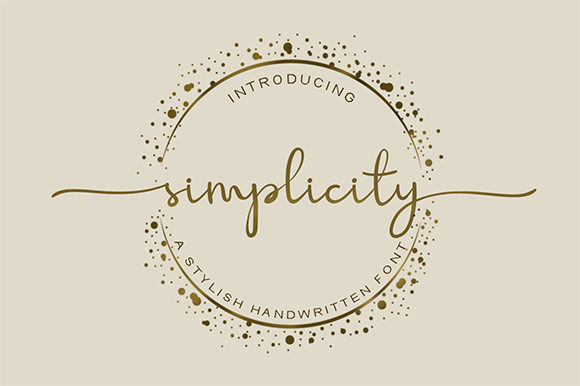
Simplicity: The Elegant Script Font for Handmade Typography
In a world where digital design dominates, there's a growing appreciation for the beauty of handcrafted elements. Simplicity is a script font that captures the essence of handwritten typography, offering a refined and elegant look that can elevate any design project. Whether you're a designer, a business owner, or a creative professional, understanding how to use Simplicity can make a significant difference in your work.
What Makes Simplicity Unique?
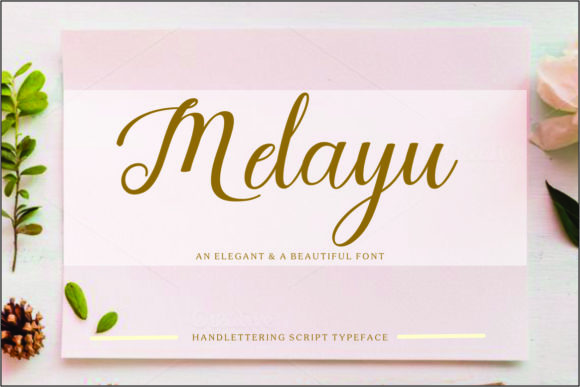
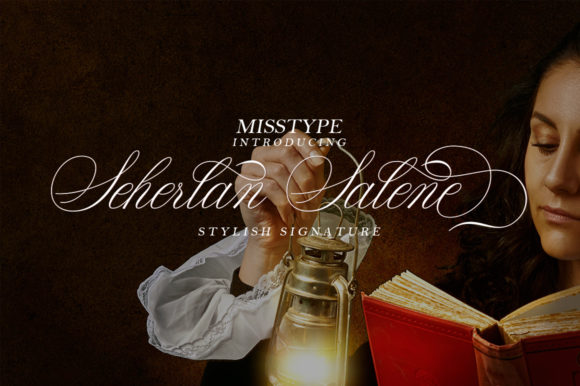
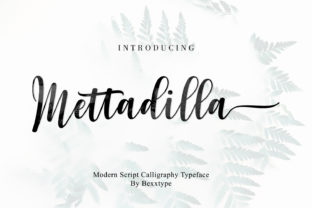
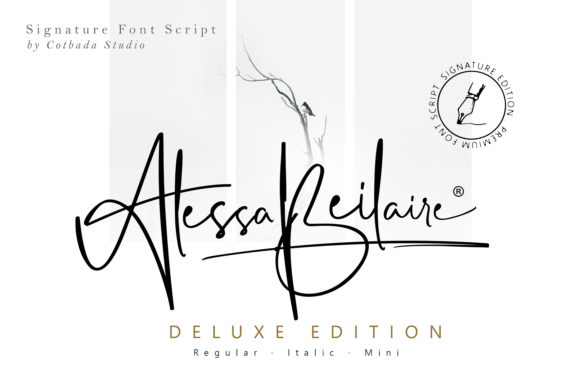
Simplicity stands out due to its natural flow and fluidity, which mimics the appearance of real handwriting. Its alternate swashes allow for a more personalized touch, making it ideal for projects that require a human-like aesthetic. This font isn't just about style—it's about creating a connection between the viewer and the message being conveyed.
The design of Simplicity is rooted in simplicity itself. It avoids unnecessary embellishments, focusing instead on clean lines and balanced proportions. This makes it versatile enough to be used across various mediums, from print to digital platforms.
Key Features of Simplicity
- Alternate Swashes: These provide additional stylistic options, allowing users to customize their typography without the need for complex design tools.
- Elegant Script Style: The font’s flowing lines and graceful curves give it a sophisticated appearance that works well with both modern and traditional designs.
- High Readability: Despite its artistic nature, Simplicity maintains a level of clarity that ensures it remains legible even at smaller sizes.
- Multi-Platform Compatibility: It can be used in a wide range of design software, making it accessible to both beginners and professionals.
Where Can You Use Simplicity?
Simplicity is not limited to a single application. Its versatility allows it to be used in a variety of contexts. Here are some common uses:
- Branding and Logos: For businesses looking to create a personal and approachable image, Simplicity can add a unique flair to logos and brand identities.
- Brochures and Flyers: When designing marketing materials, using Simplicity can help convey a sense of authenticity and craftsmanship.
- Business Cards: A handwritten touch can make a lasting impression, and Simplicity offers that without the need for actual handwriting.
- Wedding Invitations: For couples who want to add a personal and romantic feel to their wedding stationery, Simplicity provides an elegant solution.
- Personal Projects: From journaling to DIY crafts, Simplicity can enhance any project that benefits from a handmade aesthetic.
Whether you're working on a professional project or a personal endeavor, Simplicity can bring a touch of elegance and individuality to your work.
Who Benefits from Using Simplicity?
Simplicity appeals to a broad audience, including designers, small business owners, educators, and artists. Its ease of use and visual appeal make it a valuable tool for anyone looking to add a unique element to their design work.
For designers, Simplicity offers a way to differentiate their work while maintaining professionalism. It can be used to create custom typography that stands out in a crowded market. For small business owners, it provides an affordable way to enhance branding and customer engagement. Artists and educators may find it useful for creating visually appealing content that resonates with their audience.
Even those who are not design professionals can benefit from using Simplicity. It's a tool that empowers individuals to express themselves creatively without requiring advanced technical skills.
Strengths and Considerations
Simplicity has several strengths that make it a popular choice among designers. Its ability to mimic handwriting adds a personal touch that can make a design more relatable. Additionally, its clean and readable structure ensures that it remains effective in various applications.
However, it's important to consider the context in which Simplicity is used. While it excels in creating a warm and inviting aesthetic, it may not be suitable for all types of projects. For example, in highly formal or technical environments, a more structured font might be more appropriate.
Another consideration is the availability of the font. Users should ensure that they have access to the correct file format and that it is compatible with their design software. Additionally, when using Simplicity in commercial projects, it's essential to review the licensing terms to avoid any legal issues.
Real-World Applications of Simplicity
Let’s explore some real-world scenarios where Simplicity can make a difference:
- Small Business Branding: A local café might use Simplicity in its logo to convey a cozy and welcoming atmosphere. The font helps create a sense of warmth that aligns with the business’s values.
- Wedding Stationery: Couples often seek unique ways to personalize their invitations. By incorporating Simplicity, they can achieve a romantic and timeless look that reflects their personalities.
- Marketing Materials: A boutique clothing store could use Simplicity in its promotional flyers to attract customers who appreciate artisanal and handmade products.
- Personal Projects: An artist might use Simplicity in their portfolio to showcase their work in a way that feels authentic and expressive.
These examples illustrate how Simplicity can be adapted to different needs and goals, making it a valuable addition to any designer’s toolkit.
How to Evaluate Suitability for Your Project
Before deciding to use Simplicity, it's important to assess whether it aligns with your project's goals. Consider the following factors:
- Project Purpose: Ask yourself what message you want to convey. If you're aiming for a personal or artistic feel, Simplicity may be an excellent fit.
- Target Audience: Think about who will be viewing your work. A younger, more creative audience may respond positively to the font's style.
- Design Context: Ensure that Simplicity complements other elements of your design. It should enhance, not overpower, the overall composition.
- Technical Requirements: Check that the font is compatible with your design software and that you have the necessary licenses for your intended use.
By taking these factors into account, you can determine whether Simplicity is the right choice for your specific needs.