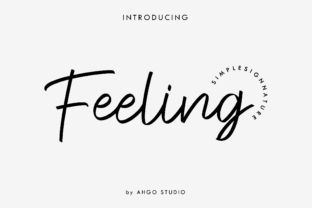
Feeling Signature: A Handwritten Font for Modern Design Needs
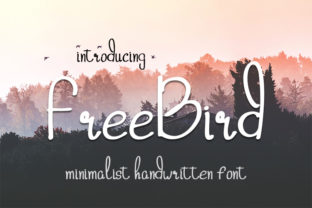
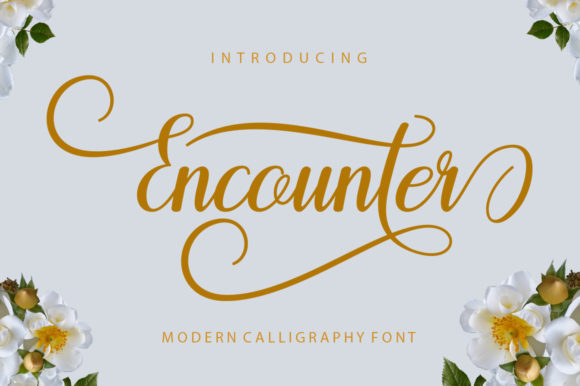
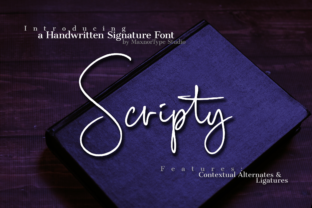
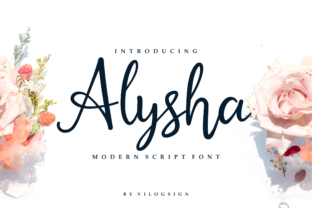
If you're looking for a font that brings a personal touch to your design projects, Feeling Signature is worth considering. This handwritten font offers a modern and simple style that can elevate the look of everything from business cards to magazine covers. Its unique blend of casual elegance and clean lines makes it a versatile choice for a wide range of applications.
Understanding What Makes Feeling Signature Stand Out
Feeling Signature isn't just another font—it's a tool that adds character and warmth to any visual project. Unlike more rigid typefaces, this font mimics the natural flow of handwriting, making it ideal for designs that aim to feel approachable and authentic. Whether you're creating something for a small business or a personal brand, this font can help convey a sense of individuality and creativity.
The simplicity of its design ensures that it remains readable even at smaller sizes, which is essential for items like labels, headers, or product tags. At the same time, its subtle variations in stroke width give it a dynamic feel that can draw attention without being overwhelming.
Real-World Applications of Feeling Signature
Business cards are one of the most common uses for Feeling Signature. For professionals who want to stand out in a sea of standard fonts, this handwritten style can make their contact information feel more personal. It works especially well for creative industries like graphic design, photography, or writing, where a unique visual identity is key.
Logos are another area where Feeling Signature shines. Brands that want to communicate a friendly, down-to-earth image can benefit from using this font. It's particularly effective for businesses that focus on wellness, education, or artisanal products, as it conveys a sense of care and craftsmanship.
Flyers and promotional materials also see significant benefits from this font. When designing event invitations, sales promotions, or community announcements, the warm and inviting nature of Feeling Signature can help capture the reader's attention. It’s especially useful for events that aim to create a sense of connection, such as workshops, local gatherings, or charity drives.
Scenarios Where Feeling Signature Excels
For designers working on magazine covers, Feeling Signature can add a distinctive flair that sets the publication apart. It’s perfect for lifestyle, fashion, or arts-focused magazines that want to maintain a modern yet accessible aesthetic. The font pairs well with bold images and minimal text, allowing it to take center stage when needed.
In the world of social media, this font can be used to create eye-catching posts or profile banners. Many content creators use it to add a personal touch to their branding, helping them connect more deeply with their audience. It's also a great option for Instagram stories, YouTube thumbnails, or Facebook event pages where visual appeal is crucial.
Event planners often find that Feeling Signature helps make their materials feel more personalized. From wedding invitations to corporate event signage, this font can enhance the overall look and feel of the design. It’s especially useful for events that emphasize authenticity and a human connection.
Who Can Benefit from Using Feeling Signature?
Entrepreneurs launching new ventures may find that Feeling Signature helps establish a strong brand identity. For those who want to communicate professionalism while still feeling approachable, this font can be a valuable asset. It allows them to present their brand in a way that feels both polished and genuine.
Freelancers and independent creatives often use this font to differentiate themselves in competitive markets. Whether they're designing websites, creating digital art, or developing marketing materials, Feeling Signature can help them stand out. It’s a practical choice for anyone who wants to add a personal touch to their work.
Nonprofits and community organizations also benefit from using this font. It can help convey a sense of warmth and sincerity, which is essential for campaigns focused on social causes, education, or public service. The font’s readability ensures that important messages remain clear and impactful.
Key Considerations Before Using Feeling Signature
Before incorporating Feeling Signature into your design, it's important to consider the context in which it will be used. While it's highly readable, it may not be the best choice for large blocks of text. Instead, it works best for headlines, titles, or short phrases that need to catch attention.
Designers should also think about how the font will look in different formats. For example, it may appear differently on screen compared to printed materials. Testing the font in various settings can help ensure that it meets the desired visual effect.
Another consideration is the overall design aesthetic. Feeling Signature complements minimalist and modern styles, but it may clash with more traditional or ornate designs. Choosing the right color scheme and layout can help maximize its effectiveness.
Strengths and Limitations of Feeling Signature
One of the main strengths of Feeling Signature is its ability to add a human element to digital and print media. It helps bridge the gap between formal typography and personal expression, making it a flexible choice for many projects. Its simplicity also ensures that it doesn’t overpower other design elements, allowing it to blend seamlessly into a broader visual strategy.
However, there are some limitations to keep in mind. The font’s handwritten nature means that it may not be suitable for all types of content. In cases where clarity and precision are critical, such as legal documents or technical manuals, a more structured font might be a better option. Additionally, users should ensure that the font is properly licensed for commercial use if necessary.